

This informative documentary charts the story of the relationship between the Bombay Film Industry (Bollywood) and Australia. Directed by filmmaker Anupham Sharma (UnIndian, Run), the film opens with many Indian Industry creatives commenting on the term ‘Bollywood’ and their feelings about it.
Actor, Anumpan Kher says:
“Nobody calls it Polishwood, nobody calls it Frenchwood. I hate it.
It’s a borrowed term and we are idiots to have accepted it.”
He has a point.
It is a term that was seemingly conceived in the 1960s/70s that differentiated popular films that were made in Bombay from art-house Indian films (Satyajit Ray) and films made around the rest of India, of which there are many. It’s a term that stuck and is a catch-all term for any films that come out of India and have songs in them.
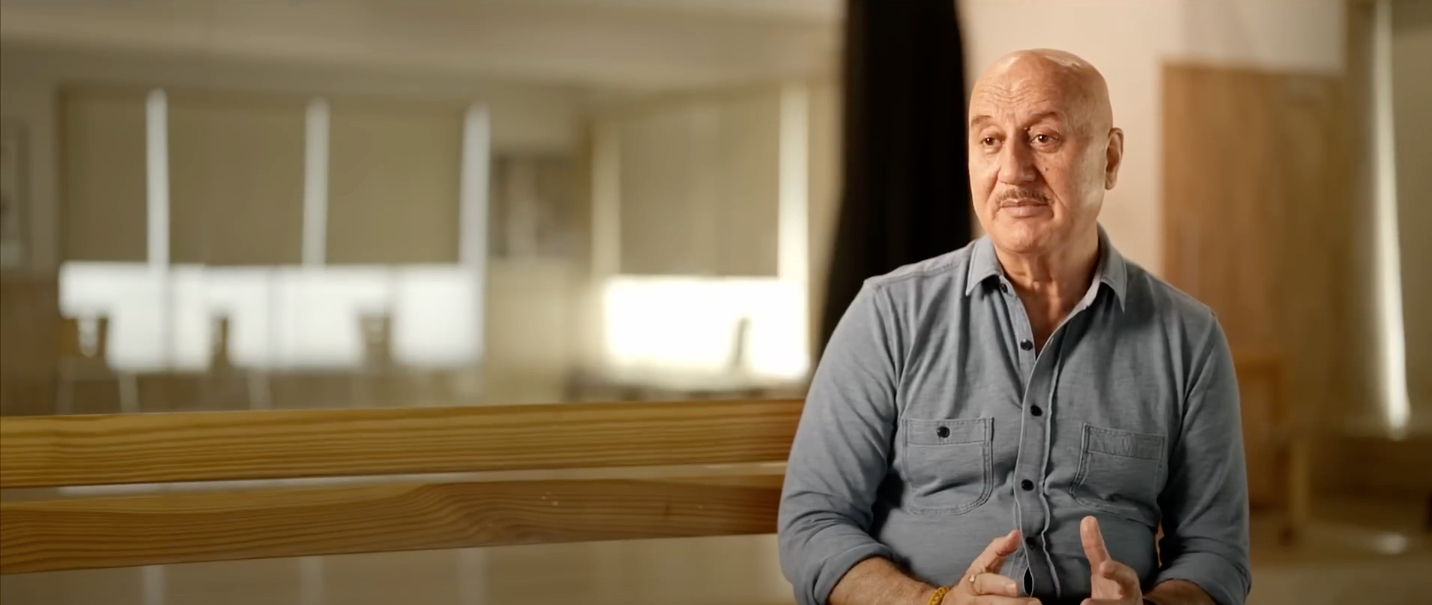
Anupam Kher in Brand Bollywood Down Under
I have a love/hate relationship with Bollywood and its style. I am half-Indian and unfortunately don’t speak Hindi.
My father introduced me to the music of the Bollywood films of his childhood and the cinema he loved very much. Like many Indians, he loved the music. It is a way to escape, to become something different and experience life through the lens of cinematic entertainment.
In the late 1970s I was 9 years old when my Father showed me Satyam Shivam Sundaram, I enjoyed the music but it was no Superman the Movie or Star Wars. As a child growing up in England in the 1970s and 80s, my appetite for American cinema was growing and my leanings were way more West than East at the time. I was then shown Qurbani in 1980 starring Feroz Khan. I then saw Kranti (1981) and Amar Akbar Anthony (1977) and when I watched these films, my Father would translate them for me and my brothers as we watched them on the VHS copies we had without subtitles.
Because of this experience with my Father, these few films will remain with me as deep bonding moments with him.
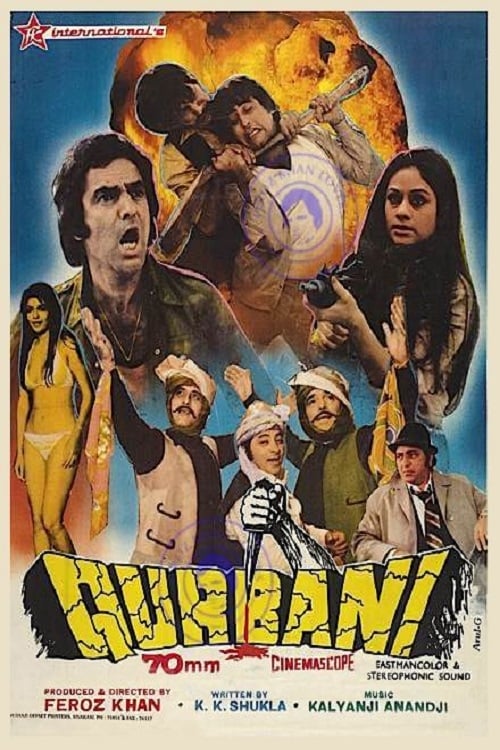
Feroz Khan went on to make Prem Aggan starring his son, Fardeen Khan in 1998, which was one of the first Bollywood films to be partly filmed in Australia (around the Sydney Opera House, the Twelve Apostles and other iconic landmarks) and helped cement the relationship between the Bombay and Australian film industries.
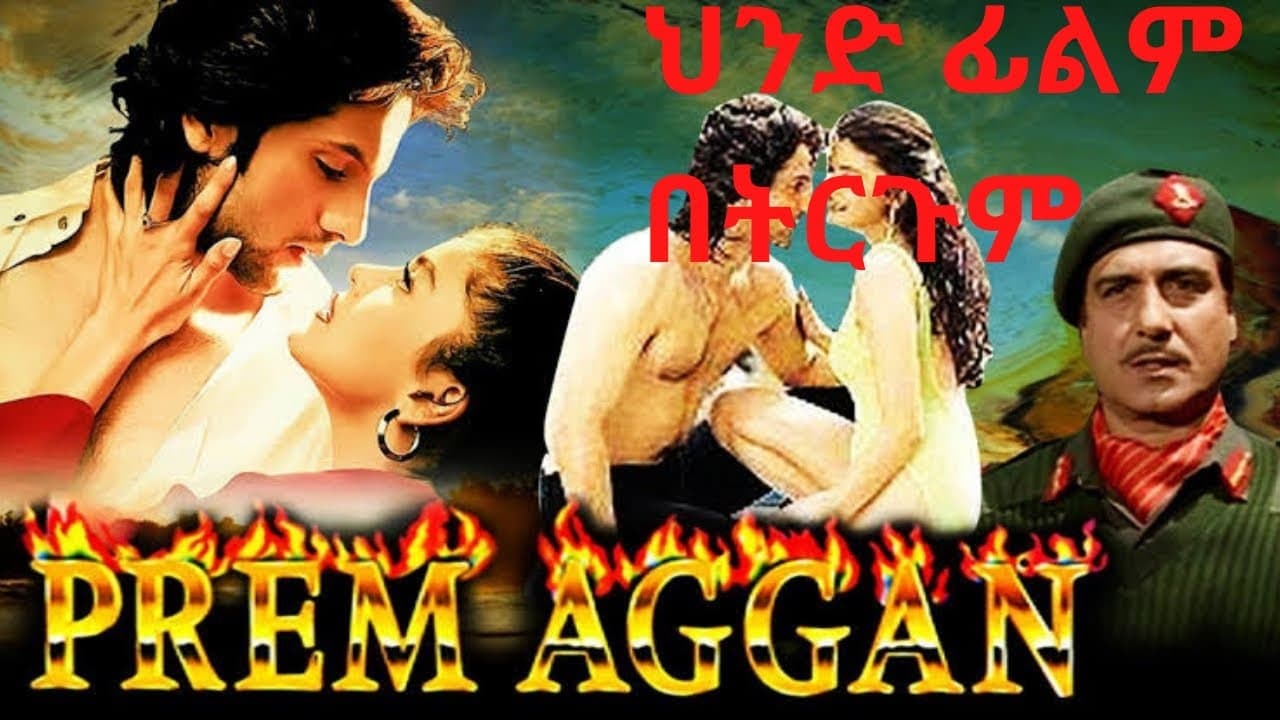
Indians lapped it up. It allowed them to travel to places most of them couldn’t afford to ever go to and escape down under. There are now approximately 3/4 million Indian residents in Australia with almost a quarter of a million living in Sydney and its surrounding areas. It makes sense that there should be some ongoing collaboration between the Indian and Australian film industries. Popular Indian cinema has remained a well-loved form of cinema for millions of Indians and cinema-goers around the world for years and for good reason. Pure escapism from the difficulties of life. They are big, spectacular, garish, over the top, fun and mostly joyous.
This documentary takes us through the inception of Bollywood from the first film Raja Harishchandra (1913) through to its worldwide popularity today. It also bravely touches on the attacks on Indian students by white Australians in the 2000s through to the controversies regarding Indian filmmakers not being given subsidiaries to film in Australia both incidents having a negative impact on the filming of Indian films in Australia for a time.

Anupam Sharma directing a music video
This interesting documentary sheds light on part of the relationship between India and Australia through the lens of popular Indian entertainment. The film slightly loses its way in the last quarter becoming a touch muddy and unclear and the director shamelessly finishes his film with a music video (in full) that he directed but apart from these small criticisms the film was entertaining and enlightening.
Out at cinemas in Australia on November 2nd 2023
 the movie musings