BRAND BOLLYWOOD DOWN UNDER (2023)


This informative documentary charts the story of the relationship between the Bombay Film Industry (Bollywood) and Australia. Directed by filmmaker Anupham Sharma (UnIndian, Run), the film opens with many Indian Industry creatives commenting on the term ‘Bollywood’ and their feelings about it.
Actor, Anumpan Kher says: 
“Nobody calls it Polishwood, nobody calls it Frenchwood. I hate it.
It’s a borrowed term and we are idiots to have accepted it.”

He has a point.

It is a term that was seemingly conceived in the 1960s/70s that differentiated popular films that were made in Bombay from art-house Indian films (Satyajit Ray) and films made around the rest of India, of which there are many. It’s a term that stuck and is a catch-all term for any films that come out of India and have songs in them.
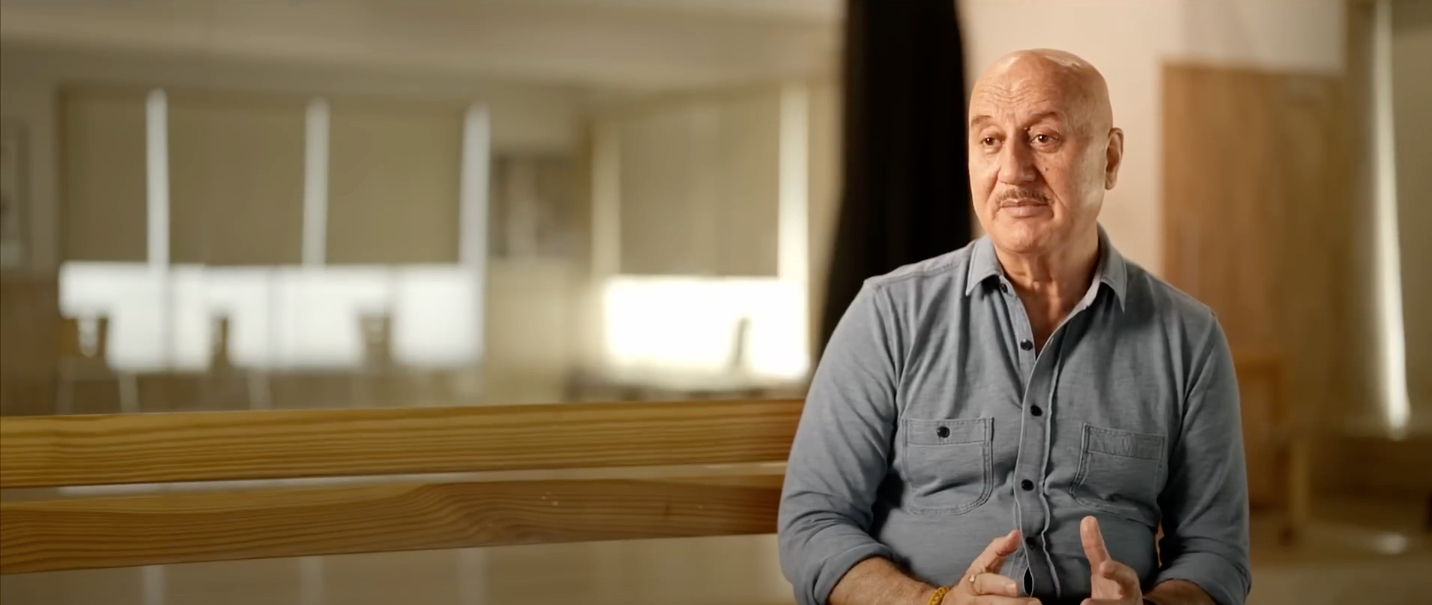
Anupam Kher in Brand Bollywood Down Under

Anupam Kher in Brand Bollywood Down Under

I have a love/hate relationship with Bollywood and its style. I am half-Indian and unfortunately don’t speak Hindi.
My father introduced me to the music of the Bollywood films of his childhood and the cinema he loved very much. Like many Indians, he loved the music. It is a way to escape, to become something different and experience life through the lens of cinematic entertainment.

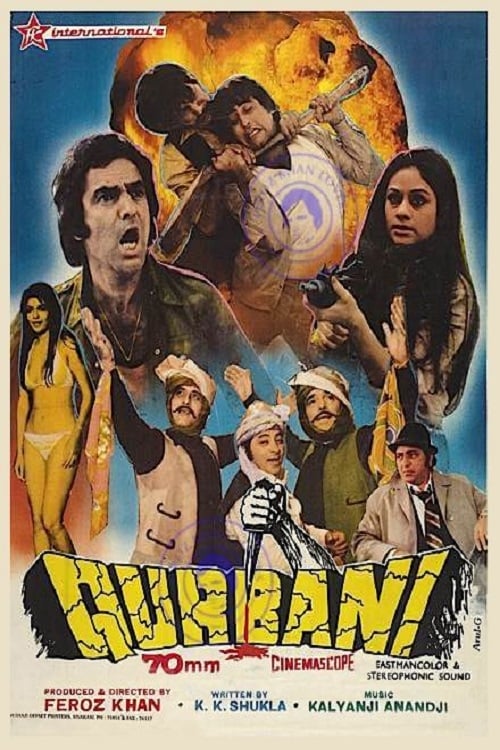
In the late 1970s I was 9 years old when my Father showed me Satyam Shivam Sundaram, I enjoyed the music but it was no Superman the Movie or Star Wars. As a child growing up in England in the 1970s and 80s, my appetite for American cinema was growing and my leanings were way more West than East at the time. I was then shown Qurbani in 1980 starring Feroz Khan. I then saw Kranti (1981) and Amar Akbar Anthony (1977) and when I watched these films, my Father would translate them for me and my brothers as we watched them on the VHS copies we had without subtitles. 
Because of this experience with my Father, these few films will remain with me as deep bonding moments with him.

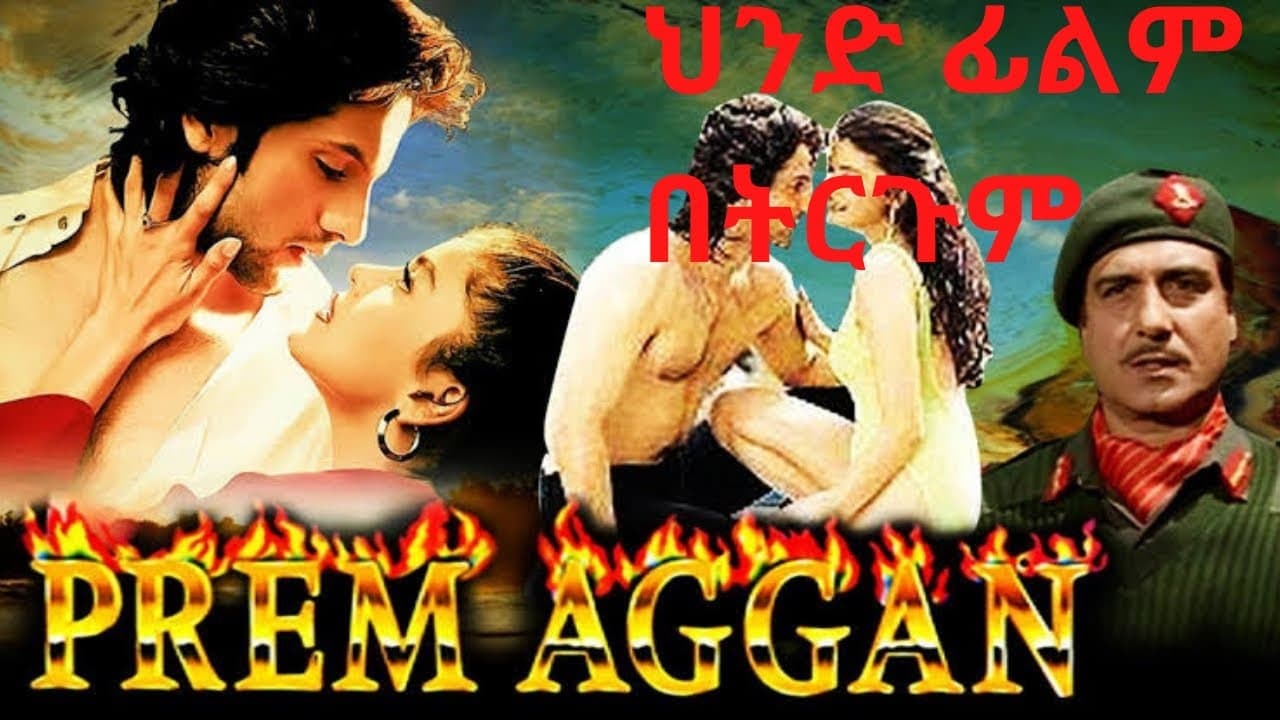
Feroz Khan went on to make Prem Aggan starring his son, Fardeen Khan in 1998, which was one of the first Bollywood films to be partly filmed in Australia (around the Sydney Opera House, the Twelve Apostles and other iconic landmarks) and helped cement the relationship between the Bombay and Australian film industries.

Indians lapped it up. It allowed them to travel to places most of them couldn’t afford to ever go to and escape down under. There are now approximately 3/4 million Indian residents in Australia with almost a quarter of a million living in Sydney and its surrounding areas. It makes sense that there should be some ongoing collaboration between the Indian and Australian film industries. Popular Indian cinema has remained a well-loved form of cinema for millions of Indians and cinema-goers around the world for years and for good reason. Pure escapism from the difficulties of life. They are big, spectacular, garish, over the top, fun and mostly joyous.

This documentary takes us through the inception of Bollywood from the first film Raja Harishchandra (1913) through to its worldwide popularity today. It also bravely touches on the attacks on Indian students by white Australians in the 2000s through to the controversies regarding Indian filmmakers not being given subsidiaries to film in Australia both incidents having a negative impact on the filming of Indian films in Australia for a time.

Anupam Sharma directing a music video

Anupam Sharma directing a music video

This interesting documentary sheds light on part of the relationship between India and Australia through the lens of popular Indian entertainment. The film slightly loses its way in the last quarter becoming a touch muddy and unclear and the director shamelessly finishes his film with a music video (in full) that he directed but apart from these small criticisms the film was entertaining and enlightening.

89 Mins

Out at cinemas in Australia on November 2nd 2023
ROCK HUDSON-ALL THAT HEAVEN ALLOWED (2023)

Rock Hudson-All That Heaven Allowed


There were few male Hollywood stars in the 1950s and 1960s who were more popular than Rock Hudson.
This documentary dives into the life of Roy Harold Scherer Jr who was born in 1925 in Illinois, America, moved to Hollywood in 1946 after serving in the Navy in World War 2 as an aircraft mechanic and found himself an acting agent in 1947, Henry Wilson, who gave him the name Rock Hudson.
He made his film debut in Fighter Squadron in 1948 and soon after he was signed to Universal Studios with a long-term contract where he received lessons in acting, singing, dancing, fencing and horseback riding, the 5 must-haves for stars of the day. He hit superstardom in 1954 with his leading role opposite Jane Wyman in Magnificent Obsession directed by Douglas Sirk. 
Sirk and Hudson made 9 movies together and Sirk mentored Hudson into the role of a decent actor.
Hudson was 6ft 5″ tall, charming, handsome and perfect Hollywood star material.
His work with Sirk cemented his popularity.

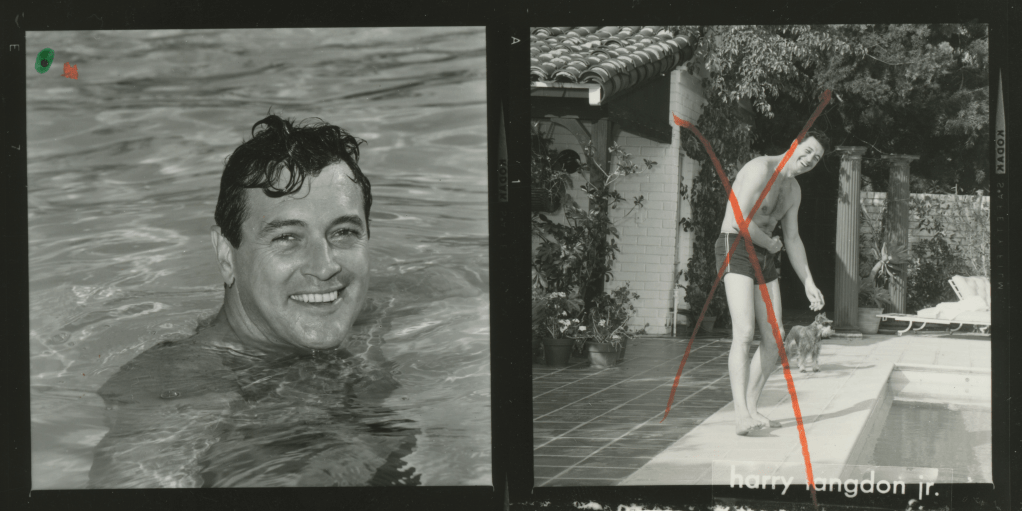
Rock on vacation in Puerto Vallarta (Photo courtesy of Lee Garlington).

Actress Illeana Douglas is one of the many people interviewed for this documentary including former lovers and close friends of the star and she says in the film:
“Sirk is German, he’s making these movies as an outsider about our American values and kind of poking holes in them. Sirk created a signature style which is it’s so beautiful but if you look underneath the surface, under the white picket fences, you’re gonna see how torrid and ugly everything is.”

So, in a sense, Hudson was a perfect muse for Sirk in being able to bring the hidden element to his roles.
As, unbeknown to the public, Rock Hudson was a gay man.

Douglas goes on to say:

“Rock Hudson is playing a man called Rock Hudson who is the personification of Americana.
The identity was given to him and he slipped into it and he played it for the rest of his life.”

This is key to understanding the man. He was an expert in playing the role. The documentary shows that he was an affable, kind man who was always the life and soul of the party. He went on to make many cinematic hits including his only Oscar nominated performance in Giant (1956) and had great success in the romantic comedy, Pillow Talk (1959) with Doris Day where he pretends to be gay in order to get together with Day in the film.


When he made John Frankenheimer’s sci-fi classic, Seconds (1966), the public didn’t respond well. It was a film in which Hudson portrayed a man who suffered and in a sense, the narrative and his character and the arc of the film was very close to what he had been living, a double life, a wearing of a mask in public.
The public wanted the Rock Hudson they knew. The clean, fun, light-hearted Rock, not the dark Rock, they wanted the light Rock, not the emotionally turmoiled Rock and this is a massive shame as he is probably the closest to his inner self in Seconds.
The public had been fed this other, contrived version for so long, they weren’t interested in seeing the real.

The themes in Seconds are deep, the idea that you can reset your life and start again and the realities of what that could be like.
These must have resonated with Hudson on some level.
I had read that Frankenheimer wanted Kirk Douglas or Laurence Olivier to play the lead as he felt they were real actors as opposed to Rock Hudson who he felt didn’t have the chops. Here though, Hudson gives a performance that should have been given more notices and suggests the actor could have become had he been given the opportunity.

On the one hand, this is documentary is a very sad story. Who was Rock Hudson? Who was Roy? By the end did Roy or Rock know? The film’s director, Stephen Kijak shows us this gentle mans journey from ordinary Illinois boy to Hollywood superstar all the while hiding this secret from the outside world. On another hand it seems that he seemed to have had a lot of fun, many laughs, great friends and some incredible highs during his short but busy life.

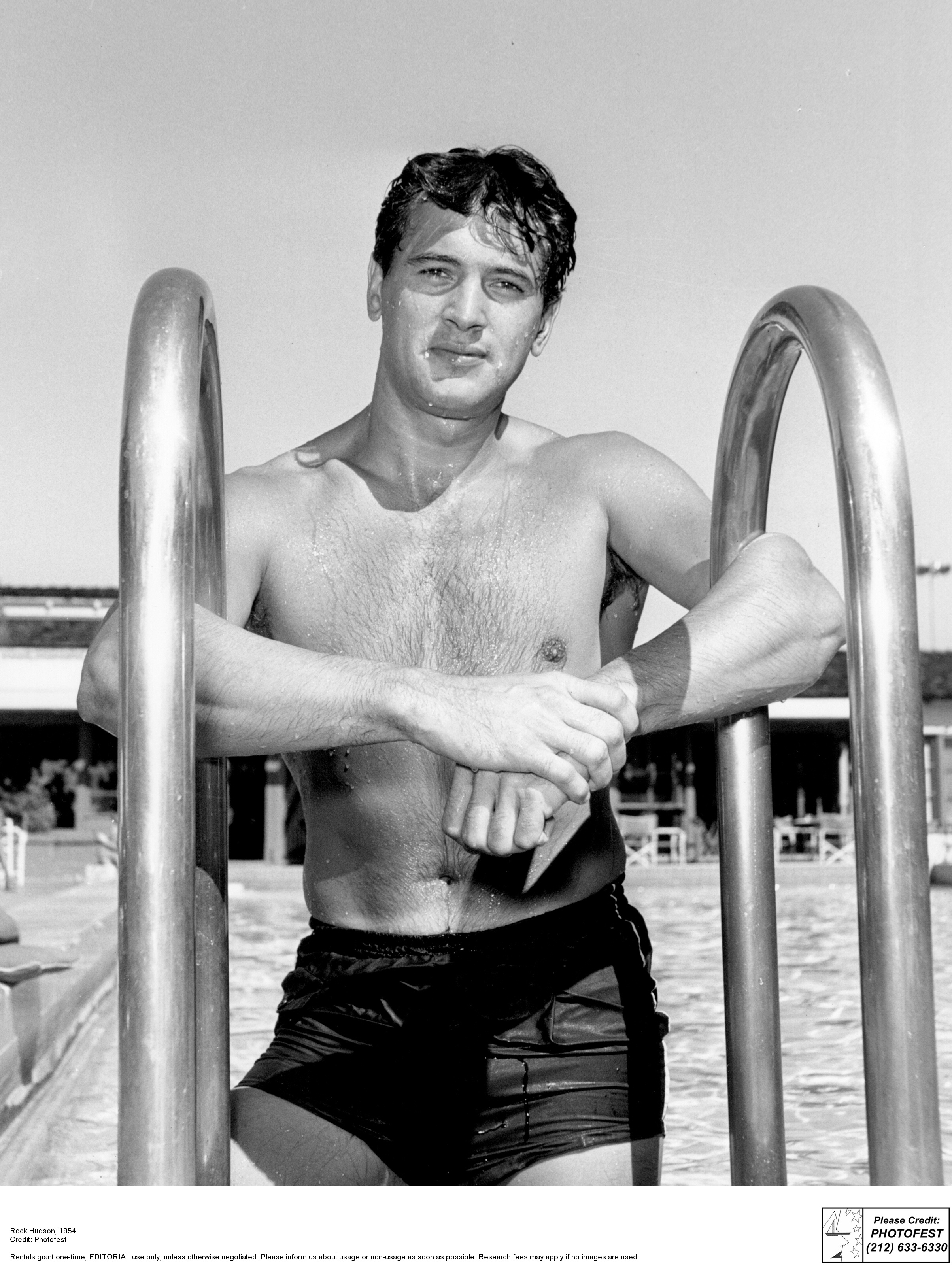
Rock Hudson, 1954

In 1984 he was diagnosed with HIV and was still in the closet like many other gay men at the time and had to suffer behind closed doors. 

The reveal of his AIDS diagnosis near the end of his life happened during the Ronald Reagan administration which was famous for its absolute lack of help or acknowledgement of the disease. Reagan had been supported and elected by the Christian Right and because of this, he kept quiet on the subject for too long. Too many people died.

The documentary takes us through Hudson’s life all the way to his death and shows us how the Hollywood superstar, who was a warm and generous man, helped many people who were suffering from HIV and AIDS by his announcement that he had also contracted this unforgivable disease.

Hudson put a face to the disease, he gave people hope, he was the all-American boy and with his death in 1985 at 59 years old, he changed the narrative around AIDS and caused people to take notice in a way that made a massive difference, the doors were opened for the light to be shined upon HIV and AIDS and studies and research was finally undertaken. He was the first famous person to die from the disease and as such helped more people than he could have ever imagined.

One participant holds a sign saying “We love you Rock” during a three-hour walkathon through Hollywood, Calif., July 28, 1985, in a fundraising effort sponsored by AIDS Project Los Angeles. More than 2800 people participated in the walkathon, which netted an estimated $630,000 to be used for AIDS prevention education and support services for victims. (AP Photo/Jim Ruymen)

The film is a beautiful look at the life of a man living in a time and industry that denied him the right to be himself. I’m sure there are many many people who can relate to his plight. The music by Laura Karpman is lyrical, uplifting and tender and Stephen Kijak directs a touching homage to one of Hollywood’s greats.

See it now on a streaming platform near you.
1hr 44mins